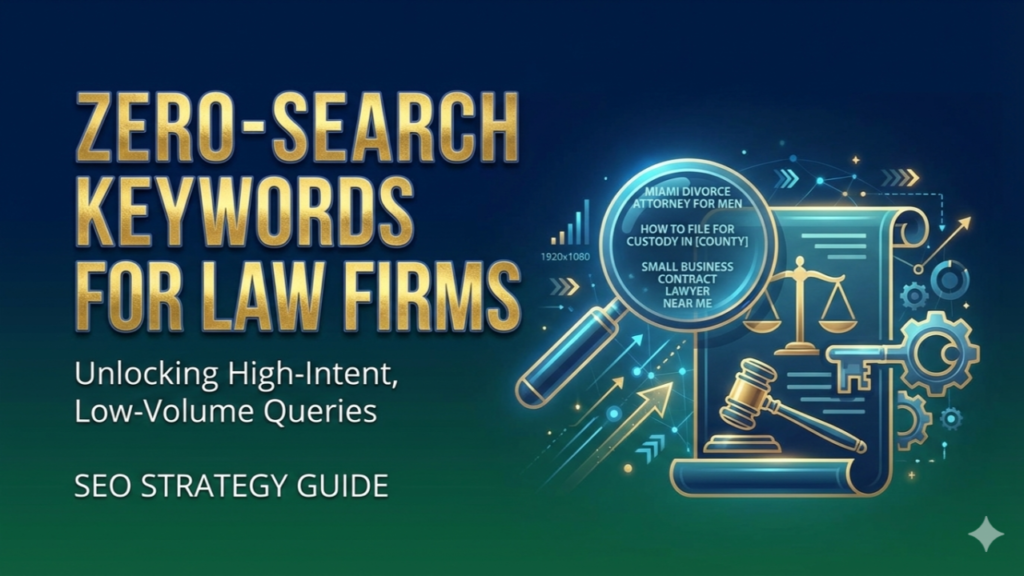
Do Law Firms Need SEO: Essential Strategies for Legal Practice Growth

Law firms need SEO to effectively reach potential clients online and remain competitive in today’s digital landscape. Our clients are increasingly turning to search engines when seeking legal advice or representation, which means our online presence directly impacts our ability to attract new business. Without search engine optimisation, we risk falling behind firms that rank higher in search results, even if our legal expertise matches or surpasses theirs. Investing in SEO ensures our services are visible to those who need them most, making it easier for people to find and contact us at crucial moments. As the legal industry becomes more digital, prioritising SEO helps us maintain relevance and grow our client base. When we integrate SEO into our marketing strategy, we position our firm to succeed both now and in the future. Why Law Firms Need SEO SEO for law firms plays a crucial role in meeting potential clients where they search, building trust through visibility, and setting our services apart from others in a crowded market. It’s vital for driving growth and ensuring our practice remains discoverable and relevant. Benefits of SEO for Legal Practices Effective SEO can increase our website’s presence in search engines, making it easier for clients to find legal services when they need them most. Organic search results often carry more credibility than paid ads. By ranking highly, we demonstrate authority and trustworthiness, which impacts how clients perceive us before they even reach out. A strong SEO strategy can bring us leads who are already interested in legal assistance, reducing unnecessary marketing spend. With well-optimised local SEO, we can also reach clients near our office, supporting community engagement. Key advantages include: Higher website traffic More qualified client inquiries Improved online reputation Lower client acquisition costs Competitive Legal Landscape The legal industry is highly competitive. Many law firms are investing in digital marketing to reach potential clients as fewer people rely on word-of-mouth or traditional advertising. If our firm does not focus on SEO, we risk being overshadowed by competitors with a more robust web presence. Search engines typically display only a handful of results on the first page, and most users rarely look further. Staying competitive means consistently optimising to keep or improve our ranking. Even established firms can lose visibility if they do not adapt to changes in search engine algorithms or client expectations. Changing Client Search Behaviours Today’s clients rely on the internet to find and evaluate legal services. According to recent surveys, over 60% of people start their search for a lawyer online, using tools like Google and legal directories. Clients read reviews, check credentials, and compare services before making contact. Our firm’s online presence and search engine ranking directly influence how trustworthy and approachable we seem. Increasing use of mobile search also means our site needs to be fast and accessible across devices. By adapting our SEO to match these behaviours, we ensure we meet clients at every step of their decision-making process. Understanding SEO for Law Firms Law firms face unique challenges in attracting prospective clients online. Building an effective search engine presence demands attention to specific legal regulations, client intent, and niche practice areas. Key SEO Elements for Legal Websites Successful law firm SEO starts with on-page optimisation. We need to ensure that each page includes relevant keywords, clear titles, and accurate meta descriptions. Detailed practice area pages often outrank generic content, making specificity important. Local SEO plays a vital role since legal clients usually search for lawyers within a specific city or province. Creating and maintaining a Google Business Profile, along with consistent local citations, improves our visibility in local searches. Quality, authoritative content helps us build trust with both users and search engines. We must provide clear answers to common legal questions and show our expertise. Fast-loading pages, secure connections (HTTPS), and mobile-friendly design are essential for retaining visitors and ranking competitively. How Law Firm SEO Differs from Other Industries Legal SEO is distinct because US law is highly regulated and varies widely by province. We must target location-specific keywords and provide content aligned with US legal standards, avoiding copying material from American firms. Unlike e-commerce or general service industries, confidentiality and client trust are critical in our field. Third-party review platforms and lawyer directories matter more because many clients rely on testimonials. The legal sector often has more competition for core terms, so technical SEO and strong backlink profiles are particularly important. We must also avoid using language that gives guarantees or makes unfounded claims, which sets legal SEO apart from industries with fewer advertising constraints. Ethical Considerations in Legal SEO Legal marketing in US is governed by strict advertising and professional conduct rules. We must ensure all website claims are truthful, verifiable, and not misleading. Using false testimonials or promising results is prohibited by law society regulations. Our content needs to respect client confidentiality. We cannot share identifiable details without explicit consent. It’s critical to distinguish between general information and specific legal advice to avoid potential liability and client confusion. Adhering to law society advertising guidelines is nonstop. We regularly review our site and campaigns for compliance to maintain our reputation and avoid disciplinary action. Building an Effective Law Firm SEO Strategy We must tailor our SEO approach to the unique needs and queries of legal clients. This involves careful word selection, clear website structure, and technical improvements to ensure our firm is found easily and stands out in a competitive market. Keyword Research for Legal Services Identifying relevant search terms is the foundation of our legal SEO plan. We focus on transactional keywords, such as “Vancouver divorce lawyer” or “real estate attorney in Toronto,” since clients often use specific queries when seeking legal help. We use keyword tools like Google Keyword Planner and Ahrefs to spot high-volume, low-competition phrases. Research includes reviewing competitor sites and client questions to build a targeted keyword list. Here’s a sample of what we consider: Keyword Search Intent Local Modifier injury lawyer Hire/Research lawyer Toronto, Ottawa legal

How to Market a Law Firm on Instagram

To market a law firm on Instagram, create engaging content and interact with your audience regularly. Use hashtags and collaborate with influencers. Instagram is a powerful platform for law firms to reach potential clients and build their brand. Focus on sharing informative posts, success stories, and client testimonials to showcase your expertise. Use high-quality visuals and videos to capture attention and make a strong impression. Engage with your audience through comments and direct messages to build trust and foster connections. Collaborate with industry influencers to expand your reach and credibility. Regularly analyze your performance metrics to refine your strategy and ensure sustained growth. By consistently providing valuable content and maintaining active engagement, you can effectively market your law firm on Instagram. Get this PDF for free by joining our groups: [Facebook] + [LinkedIn] Building a Strong Profile Building a strong profile is the cornerstone of marketing a law firm on Instagram. A well-crafted profile attracts potential clients and establishes credibility. Let’s delve into the essential elements of creating an impressive profile that stands out. Username and Bio Your username should be simple and reflect your law firm’s name. Avoid using special characters. Keep it professional and easy to remember. Next, focus on your bio. This is where you convey your firm’s mission and specialties. Keep it concise but informative. Use keywords like “experienced attorneys,” “legal experts,” and “trusted law firm” to improve searchability. Include a call-to-action, such as “Contact us for a consultation.” Element Best Practice Username Simple, professional, reflects firm’s name Bio Concise, informative, includes keywords and call-to-action Profile Picture Your profile picture is the visual representation of your brand. Choose a high-resolution image. The firm’s logo is often the best choice. Ensure it is clear and recognizable even in a small size. If you decide to use a team photo, make sure it is professional and well-lit. The image should convey trust and professionalism. A consistent and professional profile picture reinforces your brand identity. ✅ High-resolution image✅ Firm’s logo or professional team photo✅ Clear and recognizable Building a strong profile is fundamental for your law firm’s Instagram success. It helps in attracting and engaging potential clients effectively. Content Strategy Creating a content strategy is crucial for marketing a law firm on Instagram. An effective strategy will help attract potential clients and build a strong online presence. Below are key elements to consider for an engaging content strategy. Types of Posts Variety in post types can keep your audience engaged and interested. Here are some effective types: Frequency of Posting Consistency is key to building a loyal following. Here’s a recommended posting schedule: Type of Post Frequency Informative Posts 2-3 times a week Client Testimonials 1 time a week Behind-the-Scenes 1 time a week Case Studies 1-2 times a month Interactive Content 1-2 times a month Maintain a content calendar to plan and organize your posts. This ensures a balanced mix of content types and regular updates. Use analytics to track engagement and adjust your schedule accordingly. Visual Aesthetics Visual aesthetics play a crucial role in marketing your law firm on Instagram. A visually appealing profile attracts potential clients and keeps your audience engaged. Let’s dive into how to achieve this with a consistent theme and high-quality images. Consistent Theme A consistent theme helps create a recognizable brand identity. This includes using similar colors, fonts, and filters. It makes your posts look cohesive and professional. Element Example Colors Blue, White, Gray Filter Clarendon Fonts Arial, Times New Roman High-Quality Images High-quality images reflect your law firm’s professionalism. Blurry or pixelated images can deter potential clients. Ensure your photos are clear and well-lit. Remember, your Instagram profile is often the first impression. Make it count with stunning visuals and a cohesive theme. Audience Engagement Engaging with your audience is crucial for a successful Instagram strategy. It helps build trust, encourages interaction, and increases your reach. Below are key methods for engaging your audience effectively. Responding to Comments Always respond to comments on your posts. This shows you value your followers’ opinions. It encourages more people to engage with your content. Use emojis to add a personal touch. This makes your replies feel more human. Hosting Q&A Sessions Hosting Q&A sessions is a great way to engage your audience. It allows followers to ask questions directly and receive immediate answers. Consider using Instagram Live for a more interactive experience. This can foster a deeper connection with your audience. Utilizing Hashtags Using hashtags effectively can significantly boost your law firm’s visibility on Instagram. Hashtags help users find your content easily. They categorize your posts and connect you with potential clients. Understanding how to leverage hashtags can set your firm apart in the crowded social media space. Popular Legal Hashtags Using popular legal hashtags can help your posts reach a wider audience. These hashtags are commonly searched by users interested in legal services. Here are some popular legal hashtags to consider: These hashtags are frequently used and searched. Including them in your posts can increase engagement and attract followers interested in legal topics. Branded Hashtags Creating branded hashtags unique to your law firm can enhance your brand’s identity. These hashtags help build a community around your firm and encourage user-generated content. Here’s how to create effective branded hashtags: Examples of branded hashtags might include: Encourage your clients to use these hashtags in their posts. This can create a sense of community and provide social proof of your services. Leveraging Instagram Stories Leveraging Instagram Stories can significantly boost your law firm’s visibility. Stories offer a unique way to engage with your audience. They are perfect for sharing quick updates and insights. Here are a few strategies to consider: Behind-the-Scenes Content Behind-the-scenes content gives a human touch to your law firm. It shows the daily life at your firm, making you more relatable. Use Stories to share: These snippets build trust and familiarity. They allow potential clients to see the faces behind the names. This can make your firm more approachable and trustworthy. Client Testimonials Client testimonials are powerful tools for building credibility. Sharing